
Inflammatory Bowel Disease
- Home
- Inflammatory Bowel Disease (IBD)
What is Inflammatory Bowel Disease?
Inflammatory Bowel Disease (IBD) is a group of chronic conditions that cause long-term inflammation of the digestive tract. The two main types are Crohn’s disease and ulcerative colitis. IBD can affect digestion, nutrient absorption, and overall health, requiring ongoing medical care.
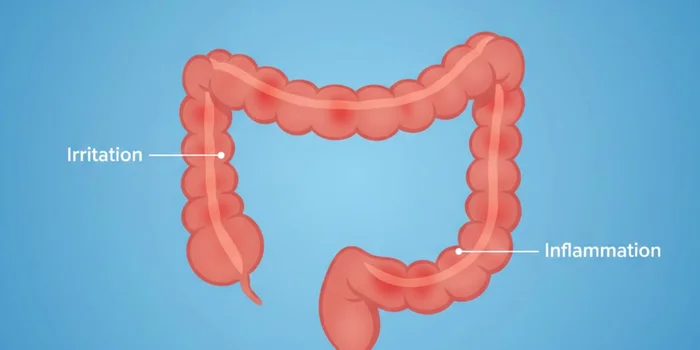
All About Inflammatory Bowel Disease
- Identify the Condition
- Diagnose the Cause
- Manage & Prevent
IBD causes persistent digestive symptoms that may worsen over time.
Chronic diarrhea
Abdominal pain and cramping
Blood in stool or weight loss
Early and precise diagnosis helps prevent complications.
Blood and stool tests
Colonoscopy or endoscopy
Imaging studies if needed
Ongoing management reduces flare-ups and improves quality of life.
Medications to control inflammation
Nutritional and lifestyle support
Regular monitoring and follow-up
- Identify the Condition
- Diagnose the Cause
- Manage & Prevent
IBD causes persistent digestive symptoms that may worsen over time.
Chronic diarrhea
Abdominal pain and cramping
Blood in stool or weight loss
Early and precise diagnosis helps prevent complications.
Blood and stool tests
Colonoscopy or endoscopy
Imaging studies if needed
Ongoing management reduces flare-ups and improves quality of life.
Medications to control inflammation
Nutritional and lifestyle support
Regular monitoring and follow-up
Treatment for Inflammatory Bowel Disease
Treatment aims to reduce inflammation, control symptoms, and maintain remission. Depending on disease severity, therapy may include anti-inflammatory medications, immune-modulating drugs, nutritional support, and in some cases, surgery. Personalized treatment plans help patients manage IBD effectively over the long term.
FAQ
Frequently Asked Questions
No. IBD involves visible inflammation and damage to the gut, while IBS is a functional disorder without inflammation.
IBD cannot be cured, but long-term remission can be achieved with proper treatment.
Stress, infections, certain foods, and stopping medications can trigger flare-ups.
No. Most patients are managed with medications, but surgery may be needed in severe cases.
If you experience persistent diarrhea, blood in stools, weight loss, or severe abdominal pain, medical consultation is essential.
Expert Gastroenterology Care is Just a Click Away
Book expert gastroenterology care online for fast, trusted diagnosis and treatment.
