
Gallbladder & Pancreatic Stones
- Home
- Gallbladder & Pancreatic Stones
What are Gallbladder & Pancreatic Stones?
Gallbladder stones (gallstones) are hardened deposits that form in the gallbladder due to an imbalance in bile components. Pancreatic stones develop in the pancreatic duct, often related to chronic inflammation, and can block digestive enzyme flow, leading to pain and digestive problems.
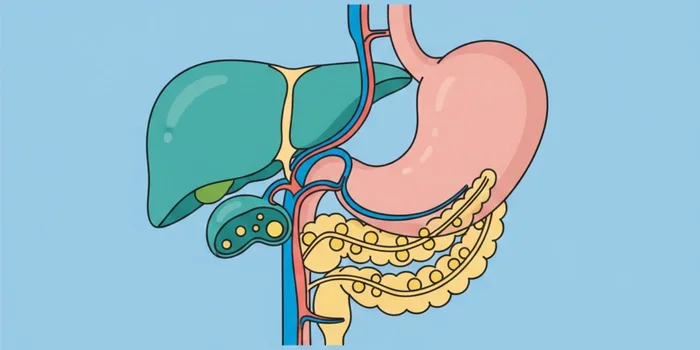
All About Gallbladder & Pancreatic Stones
- Identify the Condition
- Diagnose the Cause
- Manage & Prevent
Stones can cause abdominal pain and digestive discomfort, especially after meals.
Upper abdominal pain
Nausea or vomiting
Indigestion or bloating
Medical evaluation helps confirm the presence and location of stones.
Ultrasound or CT scan
Blood tests
Endoscopic tests if required
Early treatment prevents complications and recurrence.
Endoscopic stone removal
Medications or surgery
Diet and lifestyle changes
- Identify the Condition
- Diagnose the Cause
- Manage & Prevent
Stones can cause abdominal pain and digestive discomfort, especially after meals.
Upper abdominal pain
Nausea or vomiting
Indigestion or bloating
Medical evaluation helps confirm the presence and location of stones.
Ultrasound or CT scan
Blood tests
Endoscopic tests if required
Early treatment prevents complications and recurrence.
Endoscopic stone removal
Medications or surgery
Diet and lifestyle changes
Treatment for Gallbladder & Pancreatic Stones
Treatment depends on symptoms, stone size, and severity. Small or symptom-free stones may be monitored, while painful or obstructive stones often require endoscopic or minimally invasive surgical treatment. Dietary modifications and management of underlying conditions help prevent future stone formation.
FAQ
Frequently Asked Questions
Yes, if untreated they can cause infections, inflammation, or duct blockage leading to serious complications.
Small, symptom-free stones may not need immediate treatment, but painful stones usually require medical care.
Fatty, fried, and high-cholesterol foods should be limited to reduce symptoms and recurrence.
Not always. Many stones can be treated with medications or endoscopic procedures, depending on the case.
Yes. Managing pancreatitis, avoiding alcohol, following a healthy diet, and regular check-ups can help prevent stone formation.
Expert Gastroenterology Care is Just a Click Away
Book expert gastroenterology care online for fast, trusted diagnosis and treatment.
