
IBS & Functional GI Disorders
- Home
- IBS & Functional GI Disorders
What is IBS & Functional GI Disorders?
Irritable Bowel Syndrome (IBS) and other Functional Gastrointestinal (GI) disorders are conditions where the digestive system does not function properly, despite having no visible structural abnormalities. These disorders affect gut movement, sensitivity, and brain–gut interaction, leading to chronic digestive symptoms that can impact daily life.
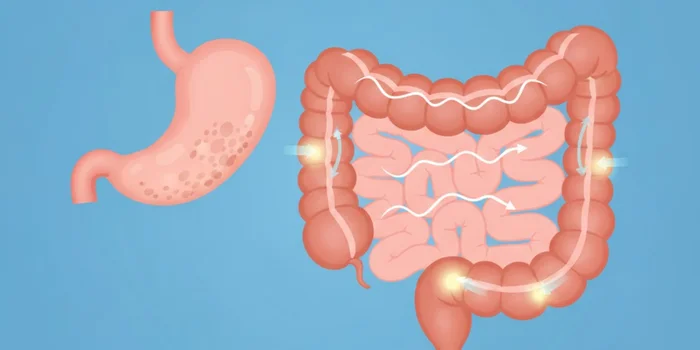
All About IBS & Functional GI Disorders
- Identify the Condition
- Diagnose the Cause
- Manage & Prevent
Functional GI disorders present with recurring digestive discomfort without an identifiable disease.
Abdominal pain or cramps
Bloating and gas
Diarrhea, constipation, or both
Diagnosis focuses on symptom patterns and exclusion of other conditions.
Detailed medical history
Symptom-based criteria
Tests to rule out infections or inflammation
Personalized care helps control symptoms and improve quality of life.
Diet and lifestyle modification
Stress and gut–brain management
Regular follow-up care
- Identify the Condition
- Diagnose the Cause
- Manage & Prevent
Functional GI disorders present with recurring digestive discomfort without an identifiable disease.
Abdominal pain or cramps
Bloating and gas
Diarrhea, constipation, or both
Diagnosis focuses on symptom patterns and exclusion of other conditions.
Detailed medical history
Symptom-based criteria
Tests to rule out infections or inflammation
Personalized care helps control symptoms and improve quality of life.
Diet and lifestyle modification
Stress and gut–brain management
Regular follow-up care
Treatment for IBS & Functional GI Disorders
Treatment is tailored to individual symptoms and triggers. It may include dietary adjustments, medications to control bowel habits, stress management techniques, and lifestyle changes. Long-term symptom control focuses on improving gut function, reducing sensitivity, and restoring daily comfort.
FAQ
Frequently Asked Questions
IBS is not life-threatening, but it can significantly affect quality of life if not managed properly.
Common triggers include certain foods, stress, hormonal changes, and irregular eating habits.
IBS cannot be cured completely, but symptoms can be effectively controlled with proper treatment and lifestyle changes.
Yes. Stress strongly affects gut function and can trigger or worsen IBS symptoms.
If symptoms are persistent, severe, or interfering with daily life, medical evaluation is recommended.
Expert Gastroenterology Care is Just a Click Away
Book expert gastroenterology care online for fast, trusted diagnosis and treatment.
