
Dyspepsia & Acid Reflux
- Home
- Dyspepsia & Acid Reflux
What is Dyspepsia & Acid Reflux?
Dyspepsia refers to persistent or recurring indigestion that causes discomfort in the upper abdomen. Acid reflux occurs when stomach acid flows back into the food pipe, leading to heartburn and irritation. Both conditions are common digestive disorders and can significantly affect daily comfort if left untreated.
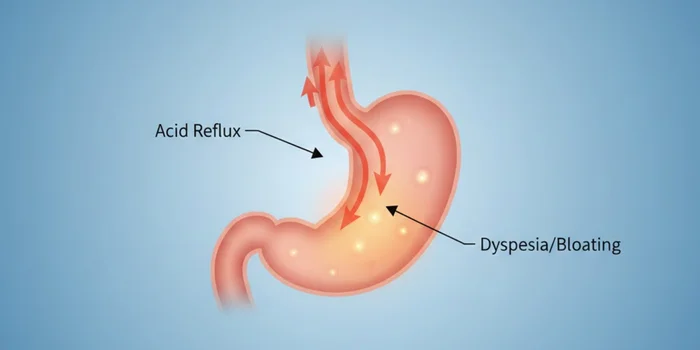
All About Dyspepsia & Acid Reflux
- Identify the Symptoms
- Accurate Diagnosis
- Long-Term Control
These conditions often present with upper digestive discomfort.
Burning sensation in the chest or upper abdomen
Bloating, nausea, or early fullness
Sour taste or regurgitation
Proper evaluation helps determine the underlying cause.
Medical history and symptom assessment
Endoscopy if needed
Tests for H. pylori infection
Timely treatment and lifestyle changes help prevent recurrence.
Medications to reduce acid
Dietary and lifestyle modifications
Regular follow-up care
- Identify the Symptoms
- Accurate Diagnosis
- Long-Term Control
These conditions often present with upper digestive discomfort.
Burning sensation in the chest or upper abdomen
Bloating, nausea, or early fullness
Sour taste or regurgitation
Proper evaluation helps determine the underlying cause.
Medical history and symptom assessment
Endoscopy if needed
Tests for H. pylori infection
Timely treatment and lifestyle changes help prevent recurrence.
Medications to reduce acid
Dietary and lifestyle modifications
Regular follow-up care
Treatment for Dyspepsia & Acid Reflux
Treatment focuses on reducing acid production, healing irritation, and preventing symptom recurrence. This may include medications, dietary adjustments, stress management, and treatment of underlying conditions such as H. pylori infection. Personalized care helps achieve long-term relief and improved digestive health.
FAQ
Frequently Asked Questions
They are related but different. Dyspepsia is indigestion, while acid reflux specifically involves acid flowing back into the food pipe.
Spicy foods, fried items, caffeine, alcohol, chocolate, and fatty meals can worsen symptoms.
If untreated, chronic reflux may lead to complications like esophagitis or Barrett’s esophagus.
Not always. Endoscopy is recommended if symptoms are severe, persistent, or associated with warning signs.
Consult a gastroenterologist if symptoms persist, worsen, or affect daily life.
Expert Gastroenterology Care is Just a Click Away
Book expert gastroenterology care online for fast, trusted diagnosis and treatment.
