
GI Oncology
- Home
- GI Oncology
What is GI Oncology?
GI Oncology focuses on the diagnosis and treatment of cancers affecting the gastrointestinal tract and related organs. These include cancers of the esophagus, stomach, colon, rectum, pancreas, liver, and bile ducts. Early detection and specialized care play a crucial role in improving outcomes and quality of life.
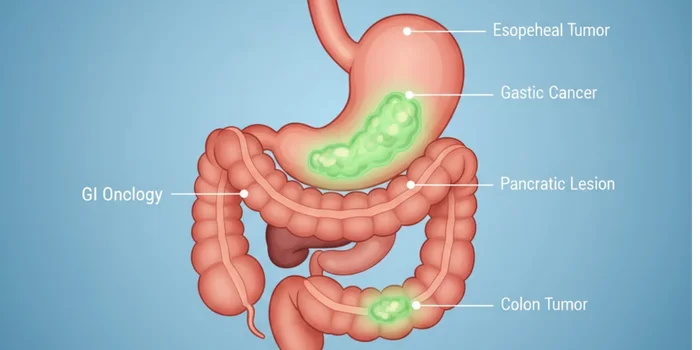
All About GI Oncology
- Identify Warning Signs
- Accurate Diagnosis
- Personalized Cancer Care
GI cancers often show early symptoms that should not be ignored.
Persistent abdominal pain
Unexplained weight loss
Blood in stool or vomiting
Difficulty swallowing
Advanced investigations help confirm the type and stage of cancer.
Endoscopy and biopsy
Imaging studies (CT, MRI, PET)
Blood and tumor marker tests
Treatment is planned based on cancer type, stage, and patient health.
Medical, endoscopic, or surgical management
Chemotherapy or targeted therapy
Ongoing monitoring and supportive care
- Identify Warning Signs
- Accurate Diagnosis
- Personalized Cancer Care
GI cancers often show early symptoms that should not be ignored.
Persistent abdominal pain
Unexplained weight loss
Blood in stool or vomiting
Difficulty swallowing
Advanced investigations help confirm the type and stage of cancer.
Endoscopy and biopsy
Imaging studies (CT, MRI, PET)
Blood and tumor marker tests
Treatment is planned based on cancer type, stage, and patient health.
Medical, endoscopic, or surgical management
Chemotherapy or targeted therapy
Ongoing monitoring and supportive care
Treatment for GI Oncology
GI cancer treatment requires a multidisciplinary approach. Depending on the condition, care may include endoscopic procedures, surgery, chemotherapy, radiation therapy, targeted or immunotherapy, and nutritional support. The goal is effective cancer control while preserving digestive function and overall well-being.
FAQ
Frequently Asked Questions
Cancers of the esophagus, stomach, colon, rectum, liver, pancreas, and bile ducts fall under GI oncology.
Yes. Screening, endoscopy, and early evaluation of symptoms help detect GI cancers at an early stage.
Not always. Treatment depends on the type and stage of cancer and may include non-surgical options.
Many GI cancers are treatable, especially when diagnosed early with appropriate care.
Consult a specialist if you have persistent digestive symptoms, unexplained weight loss, bleeding, or abnormal test results.
Expert Gastroenterology Care is Just a Click Away
Book expert gastroenterology care online for fast, trusted diagnosis and treatment.
